
What is Hoodoo? A Historical Introduction to Conjure
Hoodoo is a sophisticated system of African American folk magic, also known as Conjure or Rootwork. It originated in the Southern United States through the synthesis of West African spiritual traditions, Native American botanical knowledge, and European folklore, primarily used for healing, protection, and personal empowerment.
Where did Hoodoo originate?
The history of Hoodoo is inextricably linked to the transatlantic slave trade and the resilience of the African Diaspora. When enslaved West Africans were brought to the Americas, they were stripped of their belongings but not their spirits or their ancestral knowledge. These individuals predominantly came from cultures such as the BaKongo, Yoruba, and Fon, each bringing unique cosmological views and medicinal practices. In the harsh environment of Southern plantations, these traditions underwent a process of syncretism. Enslaved people encountered Native American tribes, such as the Cherokee and Chickasaw, who shared their extensive knowledge of indigenous North American plants and roots. Simultaneously, European influences, particularly through the lens of Protestant Christianity and medieval grimoires, provided a structural framework that helped Hoodoo survive under the watchful eyes of oppressors.
Unlike organized religions, Hoodoo was a decentralized, practical system of survival. It was used by the disenfranchised to seek justice, protect families, and heal ailments when professional medical care was unavailable or denied. Over centuries, this blend of African spiritualism and American botany evolved into what we now call Conjure. At LUNARCANUM , we respect this historical depth and the way it informs modern spiritual exploration. The practice is not a static relic of the past but a living, breathing tradition that reflects the history of endurance and the power of the human spirit to find magic in the mundane.
Is Hoodoo the same as Voodoo?
A common misconception is that Hoodoo and Voodoo (or Vodou) are the same thing. While they share common roots in West African spiritualism, they are fundamentally different in their structure and purpose. Voodoo is a religion. It has a priesthood, a pantheon of spirits known as Lwa, specific liturgical songs, and formal initiation rites. Voodoo practitioners serve the spirits, and in return, the spirits guide and protect the community. It is a communal faith with established temples and hierarchies, most notably in Haiti and New Orleans.
In contrast, Hoodoo is a system of folk magic. It does not require a formal priesthood or a church. It is a toolkit of practical methods—spells, charms, and rituals—designed to achieve specific results in one’s daily life. While many Hoodoo practitioners are religious (often Christian), the practice of Hoodoo itself is not a religion. It is more accurately described as a collection of ancestral wisdom and spiritual technologies. One might be a Catholic who practices Hoodoo, or a Baptist who utilizes Conjure for protection. Understanding this distinction is vital for anyone visiting our blog to learn about the diversity of global esoteric traditions.

The Core Philosophy of Rootwork
At the heart of Hoodoo is the belief that the natural world is imbued with spiritual power. This is why practitioners are often called "rootworkers." Every plant, stone, and root is believed to have a specific "spirit" or "virtue" that can be harnessed for a particular intent. For example, a root like High John the Conqueror is not just a piece of organic matter; it is a repository of strength, victory, and overcoming obstacles. The philosophy of Rootwork posits that the Earth was provided by the Divine as a vast pharmacy and arsenal for the human spirit.
Practitioners believe in the law of reciprocity and the interconnectedness of all things. When a rootworker uses a particular herb, they are not merely performing a mechanical action; they are entering into a contract with that plant’s spirit. This requires respect, specific timing (often aligned with the moon cycles), and clear intent. The goal is to bring one's physical reality into alignment with their spiritual will. This sense of personal agency is a cornerstone of the tradition. It empowers the individual to take their destiny into their own hands, using the tools provided by the earth to clear paths and remove blockages.
What are the common tools used in Hoodoo?
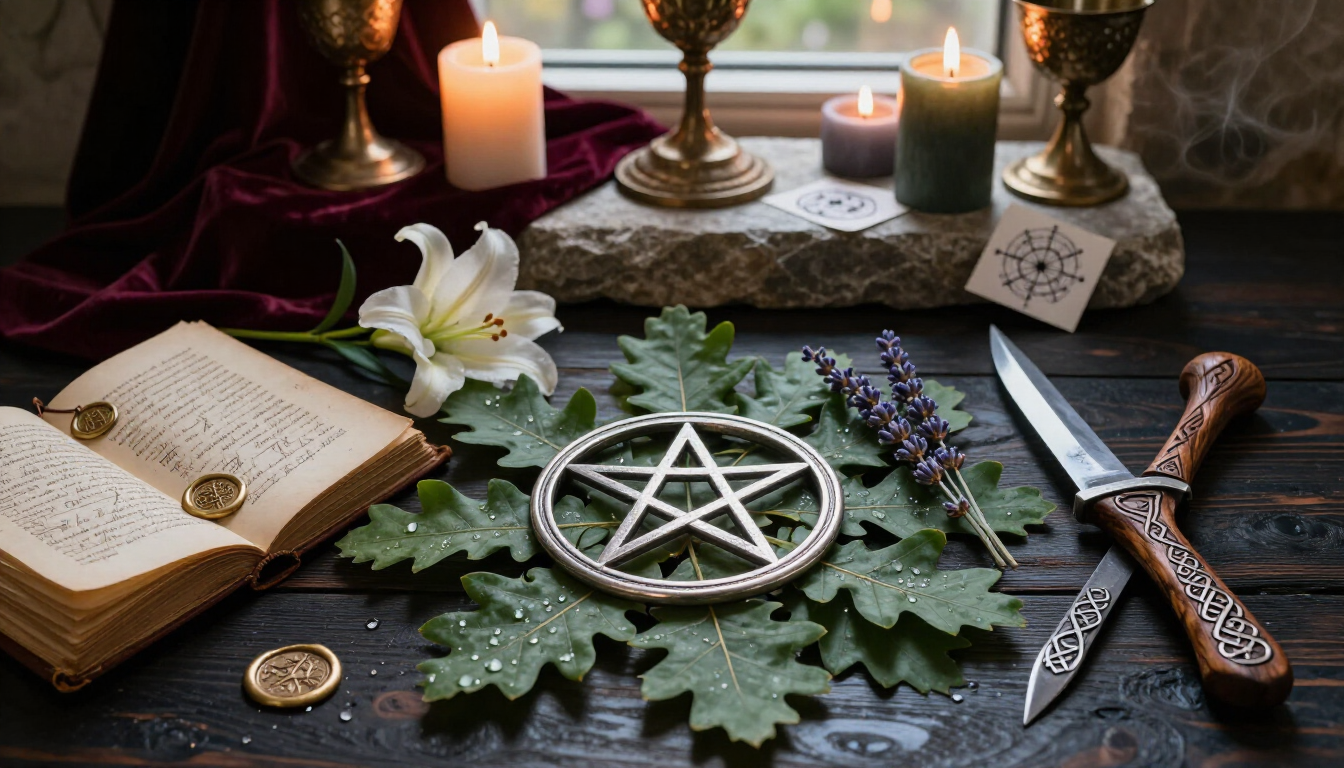
The toolkit of a conjure doctor or rootworker is diverse, blending the botanical with the symbolic. Most tools are readily accessible from nature or the household, reflecting the tradition's origins among people who had to be resourceful with what was available to them. While some items are rare curios, most are humble objects transformed by intent.
- Mojo Bags: Also known as "hands," these are flannel pouches filled with roots, herbs, and personal items to attract luck or protection.
- Roots and Herbs: Elements like High John the Conqueror, Queen Elizabeth root, and Adam and Eve root are central to many formulas.
- Spiritual Oils and Powders: Oils like "Van Van" or "Road Opener" are used to dress candles or anoint the body to shift energy.
- Candles: Different colors are used to symbolize various intents, often burned while reciting specific scriptures or petitions.
- Curios: Items like railroad spikes for household protection or lodestones for attracting wealth and love.

How does Hoodoo integrate the Bible?
One of the most fascinating aspects of Hoodoo is its deep integration with the Christian Bible, particularly the Old Testament and the Psalms. For many traditional practitioners, the Bible is seen as the ultimate book of magic. Figures like Moses are viewed as powerful conjurers—Moses' staff turning into a serpent is seen as a quintessential act of rootwork. This integration allowed Hoodoo to survive in a society where non-Christian practices were often persecuted; the practitioner could be seen holding a Bible and be perceived as pious, even while they were performing a ritual.
In practice, specific Psalms are used as spoken charms. Psalm 23 might be recited for general protection, while Psalm 37 might be used against those who seek to do you harm. The words are not just prayers; they are viewed as verbal formulas that vibrate with power. This blend of scripture and magic highlights the pragmatic nature of Hoodoo: whatever works and whatever provides spiritual leverage is used. It reflects a worldview where the sacred and the mundane are not separate, but two sides of the same coin.
Essential Elements of Contemporary Conjure
In the modern era, Hoodoo has seen a massive resurgence as people of African descent and others seek to reconnect with ancestral wisdom. This contemporary movement is often marked by a focus on cultural reclamation and the decolonization of spiritual practices. While traditional Hoodoo was often passed down through oral tradition or family lineages, the internet has allowed for a broader dissemination of knowledge. However, this has also led to debates regarding cultural appropriation and the ethics of practicing a tradition rooted in a specific historical struggle.
Contemporary practitioners often balance the use of traditional materials with modern psychological insights. At LUNARCANUM , we see this evolution as part of a global shift toward personalized spiritual guidance. Modern Conjure retains its focus on practical results—helping people find jobs, heal from trauma, and protect their homes—but it also incorporates a deeper focus on social justice and community healing. It remains a tool for the marginalized, providing a sense of sovereignty in an increasingly complex world.
Why is ancestral veneration important?
Ancestral veneration is the bedrock of Hoodoo. The belief is that the "honored dead" do not leave us but remain present as guides, protectors, and intercessors. In traditional Rootwork, a practitioner rarely works alone; they work with the support of their ancestors. This connection is maintained through the use of an ancestral altar, where water, candles, and photographs are placed to honor those who came before. By nourishing the ancestors, the practitioner ensures that their spiritual lineage is strong and that they have the backing of their family's collective power.
Working with the ancestors is not just about seeking help; it is about acknowledging one's place in a long line of survivors. It provides a sense of identity and grounding. In the context of the African Diaspora, where many were cut off from their family trees, Hoodoo offers a way to reach back through time and heal the wounds of the past. If you have questions about how to begin this journey, feel free to contact us for guidance on connecting with your own spiritual path.

Conclusion: Understanding the Path of Conjure
Hoodoo is a profound testament to the power of human ingenuity and the endurance of spirit. By blending African tradition with American botany and European folklore, it created a unique and effective system of self-empowerment that has survived for centuries. Whether you are interested in the historical roots of the practice or looking for ways to integrate ancestral wisdom into your own life, understanding Hoodoo requires respect for its origins and its role as a survival tool for the disenfranchised.
Key Takeaways:
- Hoodoo is a system of folk magic, distinct from the religion of Voodoo.
- It originated from the synthesis of West African, Native American, and European traditions.
- The practice centers on the spiritual power of roots, herbs, and natural curios.
- Ancestral veneration and the use of the Bible are fundamental structural elements.
- Modern Hoodoo focuses on cultural reclamation and practical personal empowerment.
Recent Posts